
I was performing regularly scheduled maintenance today on one of our client's servers. Due to…

Note: I wrote this post largely utilizing Voice to Text. Most of that came from my reading session with the book mentioned on Saturday (2026-11-14). I just wanted that clarification for any weird date jumps you may find.
Believe it or not, this post is not written by AI, but it exists because of my use of AI. I recently started using the Claude Duet service in preview, which I signed up for purely because they offered a full account reset. I didn’t actually think I would use it much.
A book I didn't pick
However, today it recommended a book to me. I picked it up at the library this morning. It’s called The Serviceberry, by Robin Wall Kimmerer, and I had never heard of it before. Duet recommended it because Purrly Digital is in the service space, and because I had given Duet a goal: increase the amount of actual, physical book reading I do. I haven’t really read any books in about 20 years. It’s been a minute.
I don’t know exactly why I stopped. In my late teens I absorbed book after book after book after book. Maybe it was screens. Maybe I got absorbed into the work I did. Who knows? But at some point the habit fell apart, and then the act went away.
I still have favorite books out there. Most of them are from my early teens, so not really applicable to my life now. But anyway, back to the idea. I asked Duet to help me read more, and to help me balance a little better: when work is ongoing but doesn’t need me in the moment, help me prep for errands like groceries, dishes and laundry. Mostly as reminders, because ADD executive dysfunction.
Just me and three cats
The other part was to help me regain some socialness with other human beings. I work from home. It’s just me here almost all the time, with the exception of the three cats. I hardly ever see people who aren’t part of my day-to-day errand running, with the exception of my kids.
Now that winter is coming, I’m feeling that more and more. And I forgot how to do it. I haven’t been in an office environment in about 11 years, and that was really where I socialized to begin with. I don’t really drink anymore, so I don’t like to go to the bar, and I’ve just kind of lost touch. With humanity, not to a negative extent, just to a sometimes-I-feel-lonely extent.
So why is this on the Purrly Digital blog?
The Serviceberry, a book an AI recommended I read, combines a couple of things it didn’t necessarily know about, and it targeted them really well.
The first is how much I’ve been enjoying birdwatching over the past few years. The second is that I really enjoy helping organizations achieve their missions and goals.
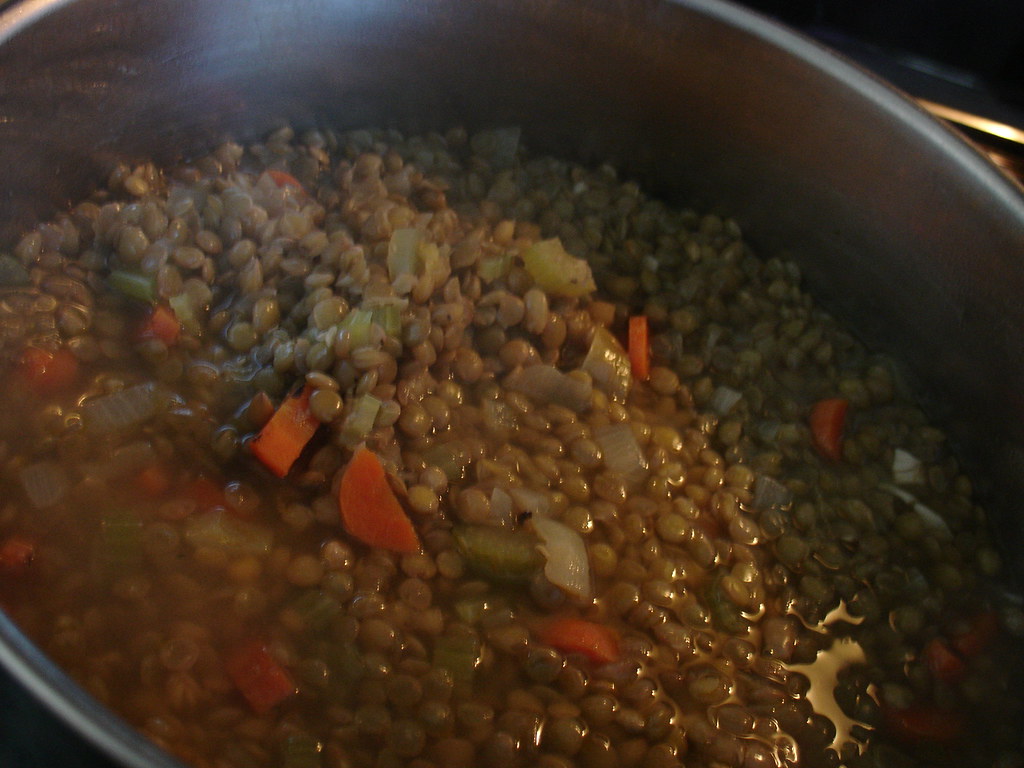
Most of this was written while I was in the middle of the book and I made voice notes. I really absorbed the fuller context while doing grocery shopping that included gathering ingredients for a new, to me, recipe for lentil soup. It’s simmering right now.
Berries you buy, berries you share
The idea behind the book is that we can provide for each other without transactions. There’s a really excellent point in there about buying berries at the grocery store: the transaction ends, and you now own the berries. But if you gather berries in nature on your own and share them, there’s no transaction. The gift economy is really interesting, especially in how conflicted sharing can get. Like how you work with AIs, when AIs have arguably stolen a number of copyrighted works to make themselves possible.
At the same time, in the industry I’m in, it’s getting harder to make a living working with smaller organizations. They’re increasingly reliant on every penny in their budget, and I have to keep delivering real value to them while still putting groceries on my own table.

Client work isn't the grocery store
Delivering a service to an organization can look like those grocery store berries: they pay, ownership changes hands, and the transaction is over. I don’t think it ends there. I think relationships are still the most important part of the service industry, especially the digital service industry. When clients can ideate their internal tools, their external ideas, and the small services they might want to run, that’s actually a better situation for me as a service provider, because I can see their idea more broadly. There’s less argument over what got built versus what was supposed to get built.
And if you maintain a good client relationship, a balance of value and cost is more easily met, because both sides of the equation feel like they got what they wanted.
My experience in the service industry, in web development, hosting and administration, and ongoing maintenance and security, is still valuable for delivering services and solutions to those organizations. It gives them confidence that when they pay that bill and the software gets delivered, it will do what they want it to do, it won’t do what they don’t want it to do, and it won’t do unexpected things for them or to them. Which means they come back and ask for more.
Kimmerer is a Potawatomi botanist, and the way she describes it, a gift doesn’t end a relationship the way a sale does. It starts one. I’m learning from that. But I see the same thing in my yard. I plant for the birds and the bugs and everything else that lives out there, not to get the most out of the ground, and it gives back in ways I never planned for. Good client work is a lot more like that than like the grocery store.
What AI reads, and what it can't hear
In the past few months I’ve had some successes introducing improvements that were ideated by AIs, which can read analytics more completely than I can, or than I have hours in the day to do effectively across three, four, seven, ten clients or more. That lets me bring a level of insight to each client individually. And that matters, because these days no single client can support one person working from home. So the way we put together solutions and services isn’t really about the software-as-a-service side. It’s about the relationship: understanding the client’s budget, understanding who they are, and what they’re really going for that maybe has been left unsaid. Those are the gaps AI can’t fill.
No clean answer, and some soup
I don’t have a clean answer for the AI part. These tools were built on a lot of other people’s work, often without asking, and I’m using them anyway because they let me serve small organizations in ways I couldn’t on my own anymore.
Potential and existing clients now have the ability to make tools and adjustments to their sites and backend systems on their own. Which means that I’m consulted less. Scaling my experience in this space is where I can actually find places to help. Sometimes that involves a transaction and sometimes it’s a monthly check-in or a free hour of my time for orgs that are not yet clients.
What I can offer is the relationship and the experience of working in this industry for 2 1/2 decades. Maybe we could actually, or figuratively, share some soup.
That lentil soup, by the way? I shared it with my mom at her place. We ended up having a really nice conversation on a random Saturday evening.
Photo credits
- Featured image: “Cedar Waxwing gobbling a Smooth Serviceberry” by Andy Reago & Chrissy McClarren, CC BY 2.0, resized.
- “Cedar Waxwing in Smooth Serviceberry tree” by Wildreturn, CC BY 2.0.
- “Lentil soup almost done” by {| h.e.a.t.h.e.r |}, CC BY 2.0.
Related Posts